Research Article
Aim & Scope
Anemon Muş Alparslan University Journal of Social Sciences is an international peer-reviewed journal published with the aim of addressing original and qualified studies in the field of social sciences and humanities with a scientific approach. The journal, which started its publishing activities in 2013, has been published regularly three times a year as April, August and December issues since 2022.
Anemon focuses on, but not limited to the following topics: business, economics, educational sciences, finance, fine arts, history, international relations, linguistics, literature, philosophy, political science, psychology, sociology and theology, etc. anemon is a journal that allows for geographic diversity without making any discrimination between the writers, referees, editorial board members and advisory board members.
Author Guidelines
The articles that are published in the journal cannot be published or presented anywhere else unless permission is granted from the editorial board. The articles that are published either partially or completely cannot be used anywhere else unless reference is given. The articles that are sent to the journal has to be authentic, not previously published or sent to be published. The authors of the articles have to have a consensus regarding the order of the authors' names in the article.
If you download the “sample article” that was prepared according to spelling rules and format of the Journal of anemon from our website through the link for authors to help you prepare the article, this will save your time and facilitate the preparation process. You can also prepare your article by saving this sample as a template on the Microsoft Word program.
Copyright Agreement Form
1) Anemon Muş Alparslan University Journal of Social Sciences is an international journal published regularly three times a year as April, August and December issues since 2022. The aim of the journal is to contribute to the publication of qualified academic studies in the field of social sciences.
2) Articles published in the journal cannot be published anywhere else or presented as a paper without the permission of the editorial office. Partially or fully published articles cannot be used anywhere without reference. The contents of the articles submitted to the journal must be original, not previously published anywhere or sent anywhere for publication. The authors of the manuscript should agree on the order of names.
3) In order to help you during the preparation of the article, downloading the file prepared according to the spelling rules of Anemon Muş Alparslan University Journal of Social Sciences, which is available on our website under the link ‘spelling rules’, and preparing your article by taking this article as an example will provide convenience and time saving in editing. You can also prepare your article by saving this article as a template in Word programme.
4) Submitted articles will be published in English-Turkish or English-Kurdish. The manuscripts sent to the journal for evaluation can be sent as ‘Turkish’ in the first submission. Accepted manuscripts are also requested in full text in English. Studies that reach the publication stage are published in both Turkish and English full text. Likewise, the article proposal can be sent in Kurdish in the first submission. If it is accepted, a full-text English version is requested. Thus, the study is published in both Kurdish and English full text. Candidate articles submitted in English in the first submission will be asked for a full-text Turkish version if accepted. Authors whose mother tongue is English will not be asked for this (Update: March 2025)
Translated with www.DeepL.com/Translator (free version)
5) A proofreading document may be requested from the authors (with the recommendation of the language editor) for the English translation of accepted manuscripts. However, this document is not required from authors whose native language is English.
Translated with DeepL.com (free version)
6) Acceptance or rejection decisions are made by the editors. Reviewers only provide their opinions and suggestions.
‘The final decision to accept, reject, or request further revision of each submission is made by the Editor-in-Chief in consultation with the field editor. Decisions are based on suggestions and comments from external reviewers and an editorial judgement based on the quality, originality, relevance and importance of the submission. The decision is communicated via e-mail via journipark. Reasons are provided in case of rejection or request for further revision. Objections or complaints from authors who disagree with the decision are initially handled by a designated associate editor, but if not resolved are submitted to the Editor-in-Chief or wider editorial board for discussion. The Editor-in-Chief's decision is final.’
7) For revised manuscripts, authors should fill out the ‘Reviewer Response File’ and provide a detailed response to each reviewer's opinion.
8) Manuscripts that do not include introduction, method, findings, discussion, conclusions and recommendations, author declarations (conflict of interest, author contribution rate, ethical statement) will not be included in the peer review process.
9) Ethical information must be included in the method and author statements.
10) Articles that do not include data collection processes, are influenced by the political and/or religious views of the author and/or authors and are based on personal interpretations will be accepted. Works that do not comply with this scope will not be evaluated.
11) Manuscripts should be prepared and submitted in MS Word 2007 or higher version.
12) The page structure should be arranged on A4 paper (210 x 297 mm), in MS Word programme, in text, Times New Roman font, 11 pt, single line spacing, 1 paragraph indentation and paragraph spacing of 6 and then 0 pt. Margins should be 2,5 cm left, right and bottom.
13) The name(s) and surname(s), institutional title(s), institution(s) where the author(s) work(s), e-mail address(es) and ORCID number(s) should be given in the article. In addition, the corresponding author should be indicated in the articles.
14) The title of the article should be a title that is compatible with the content and best expresses the content. The title should be bold and 12-point font size and should be centred with the first letters capitalised. Manuscripts should include a title/title in English with the same feature. The English title should be italicised.
15) The articles to be submitted to the journal must include a Turkish ‘Abstract’ consisting of 150-200 words. All abstracts in the article should be written in ‘Times New Roman’ font in 10 pt, with a paragraph spacing of 6 then 0 pt and single line spacing. References, figure and table numbers should not be mentioned in the abstract. Keywords consisting of at least 3 and at most 5 words should be given below the abstract. Keywords should be compatible with the content of the article and should be inclusive. Likewise, articles should include an English title/title, keywords/keywords and abstract/abstract.
16) Studies presented in any symposium or congress can be published by indicating the name, place and date of the congress (for Symposium Special Issues). In studies supported by a research institution or fund (BAP, TÜBİTAK, Ministry of Development, etc.), the name of the organisation providing the support and the project number should be given as a footnote at the bottom of the first page.
17) Formulas and equations should be written using Math Type or Word Equation Editor.
18) The study must comply with the rules of grammar. The most recent TDK Spelling Guide should be taken as basis in the use of punctuation marks, spelling of words and abbreviations, a clear and simple way of expression should be followed, and unnecessary information that goes beyond the purpose and scope should not be included. In the preparation of the article, valid scientific methods should be followed, information such as the subject, purpose, scope, reason for preparation, etc. of the study should be given sufficiently and in a certain order.
19) Tables/Figures must have numbers and captions. Vertical lines should not be used in table drawing. Horizontal lines should only be used to separate subheadings within the table. Table name and number should be centred at the top and figure name and number should be centred at the bottom and written vertically; table/figure names should be written with the first letter of each word capitalised. If there is a situation that needs to be cited, it should be given in the in-text citation format under the table.
20) In the article, main, intermediate and subheadings can be used to provide an organised transfer of information. All headings other than the title of the article should be capitalised, in 11 pt (upper 6 pt; lower 0 pt) and written 1 cm inside in harmony with the text. All headings should be written in the same way.
21) The format used in referencing is APA (American Psychological Association) Style 7th Edition. In both citations and bibliography, authors should follow the spelling rules and format specified in the American Psychological Association Writing Guide published by the American Psychological Association. For further information see: https://apastyle.apa.org
In-Text Citations
Basic Format:
- Single author: (Yilmaz, 2020)
- Two authors: (Yılmaz & Demir, 2021)
- Three or more authors: (Yilmaz et al., 2019)
Format for Direct Quotation:
- Short quotations (less than 40 words): ‘...text...’ (Yılmaz, 2020, p. 25)
- Long quotations (more than 40 words): As a block quotation, 1.25 cm inside the text, without quotation marks. At the end of the text: (Yılmaz, 2020, p. 25)
More than one source in the same parenthesis:
- In alphabetical order: (Demir, 2018; Yılmaz & Acar, 2020; Yılmaz et al., 2019)
Use of Author Names in Text:
- If the author name is specified in the text: Yilmaz (2020) in his study.
- Two authors: In the study of Yılmaz and Demir (2021)...
- Three or more authors: Yılmaz et al. (2019) in their research...
References Citation
- The bibliography page starts on a new page at the end of the study.
- The title ‘References’ is written in bold, centred.
- References are listed in alphabetical order.
- All lines are double spaced, hanging indent is used.
- Author names: Surname, first letter(s) of first name.
- If there is more than one author, the names are connected by ‘,&’.
- The year of publication is given in brackets immediately after the author(s).
Below are examples of common types of resources.
Book
Author, A. A. (Year). Book title: Sub-title (Edition/Translation information etc.). Publisher.
- Book title italicised.
- Not every word in the title begins with a capital letter, only the first letter, proper names and words after a colon (:) begin with a capital letter (Title Case).
Example:
Yılmaz, A. (2020). New approaches in education: Theory and practice. ABC Publishing.
In-text citation:
(Direct quote) (Yılmaz, 2020, p. 45)
Journal Article
Author, A. A., Author, B. B., & Author, C. C. (Year). Article title: Sub-title. Journal Name, Volume (Issue), page range. https://doi.org/xx.xxx/yyyy
- Journal name and volume number italicised.
- Every important word in the journal name starts with a capital letter.
- In the title of the article, only the first letter, proper names and the word after the colon are capitalised.
Demir, B., & Acar, S. (2021). Difficulties encountered by school administrators in the use of technology. Journal of Educational Administration, 35(2), 123-145. https://doi.org/10.1234/ey2021. 1234
In-text citation
(Demir & Acar, 2021)
Conference Proceedings
Author, A. A., Author, B. B., & Author, C. C. (Year, Month Day-Day). Paper title: Sub-title. X. Conference Name, City, Country. If Published: Publisher/Ed. Information.
If it is available online, the URL or DOI is added.
Example (Published Paper)
Yılmaz, A., & Demir, C. (2019, September 10-12). Student motivation strategies in distance education. 3rd International Conference on Educational Technologies, Ankara, Turkey. https://doi.org/10.5678/conference2020. abc123
In-text citation
(Yılmaz & Demir, 2019)
Web Page (with Corporate Author)
Corporate Author. (Year, Month Day). Title Sub-title URL
Ministry of National Education. (2021, March 5). 2021 education statistics. https://www.meb.gov.tr/2021-istatistikler
In-text citation
(Ministry of National Education, 2021)
Report (Corporate Author)
Corporate Author. (Year). Report title: Sub-title (Report No. xxx). Publishing Organisation. URL (If available)
World Bank. (2020). Global education report: Trends and data (Report No. 2020-45). World Bank Publications. https://worldbank.org/edu2020report
In-text citation
(World Bank, 2020)
DOI and URL Usage
- If DOI is available, it must be included (https://doi.org/...).
- If there is no DOI, the URL to the article can be given.
- URL is usually not required if DOI is present.
Citation of Three or More Authors
- All 20 authors are listed, if more than 20, the first 19 authors are listed, followed by ‘...’ and the last author.
Author, A. A. A., Author, B. B., Author, C. C., ... Author, Z. Z. (2022). Example of a long author list. Journal Name, 10(3), 200-220. https://doi.org/xx.xxx/yyyy
In-text citation
From the first citation (Author et al., 2022).
22) There is no word limit.
23) Articles submitted in accordance with the writing rules of Anemon Muş Alparslan University Journal of Social Sciences should be checked for plagiarism with iThenticate programme and the similarity report should be added to the system. The maximum acceptable similarity rate should be 15%. Even if the similarity is below 15%, the single source similarity rate should not exceed 5%. . For Master's and Doctoral theses, this rate should not exceed 20%.
24) For the first step of the publication phase, manuscripts should be submitted via the Online Application System. A confirmation message will be automatically sent to your e-mail address immediately after submission. For more information, please contact the editor via https://dergipark.org.tr/anemon.
25) The time settings in our journal are as follows.
Additional period to be given for all cases exceeding the processing time 7 days
Maximum time for processing the new article 15 days
The maximum time given to the secretary while on the secretary step is 20 days
Maximum time required for the editor to take over the article (Check Complete Step) 10 days
Maximum time required for the editor to continue processing after taking over (Step in Editor) 20 days
Maximum time allowed to continue processing after the manuscript is ready for decision (Ready for Decision Step) 15 days
Maximum time given for the editor to make a decision (Pending Decision Step) 10 days
Maximum time given to the editor for the publication process (Publication Process Step) 15 days
Maximum processing time for Spelling, Language, Statistics Editor and Final Reader 20 days
Maximum processing time for the Layout Editor 20 days
When resubmitted to the author, the deadline given is 15 days
Time given to the author for minor revision 15 days
Time given to the author for major revision 15 days
Response time to the invitation sent to the arbitrator for evaluation 10 days
Evaluation period given to the referee 30 days.
26) If artificial intelligence (AI) tools are used in the articles to be submitted to our journal, this situation should be clearly stated and the details should be explained. Authors should transparently express at which stages and to what extent AI tools are used, and guarantee the accuracy and originality of the content produced with human supervision. Compliance with ethical principles is essential in articles; it should be kept in mind that the content produced by artificial intelligence does not contain copyright infringement and the scientific responsibility lies entirely with the authors. If incomplete declarations or ethical violations regarding the use of AI are detected, the article may not be included in the evaluation process or its publication may be rejected. In this regard, ‘Ethical Guidelines on the Use of Productive Artificial Intelligence in Scientific Research and Publication Activities of Higher Education Institutions’ is taken as basis.
Ethical Principles and Publication Policy
Publication Policy
2) Articles are published in Turkish and English.
3) The writing language of Anemon Magazine is Turkey Turkish. Articles in English, Arabic and Kurdish may also be included.
4) Articles submitted for publication in Anemon Magazine must be compatible with the purpose and scope of the journal.
5) Anemon Journal does not charge any fee to the authors for the article evaluation and publication process. Likewise, authors are not paid royalties.
6) The scientific, legal and linguistic responsibility of the published articles belongs to the authors.
7) In the articles to be sent to Anemon Magazine; It is required that it be an original article that will contribute to the field or a review that evaluates previously published studies and reveals new and noteworthy views on this subject.
8) Articles sent for publication are checked for plagiarism through a special program used to detect plagiarism. The similarity rate should be at most 15% and the single source similarity rate should be at most 5%.
9) Studies submitted to the journal must not have been published or sent for publication elsewhere. In addition, articles that are highly similar to a published research (even if they are below the acceptable similarity rate) are not evaluated.
10) Anemon uses a double-blind referee system with at least two referees. Referee names are kept confidential and not published.
11) Manuscripts sent to our journal are first examined by the Editorial Board for compliance with the journal principles. Those deemed inappropriate are returned to the author for correction. Those found suitable for evaluation are sent to two referees in the relevant field. The names of the referees are kept confidential and the reports are kept for five years. If one of the referee reports is positive and the other is negative, the article may be sent to a third referee or the Editorial Board may review the referee reports and make the final decision. Authors take into account the criticism and suggestions of the referees and the Editorial Board. If there are issues they disagree with, they have the right to object with their reasons. Manuscripts not accepted for publication are not returned to their authors.
12) If the article submitted for publication is based on field research data, the author must add the Ethics Committee Permission. Additionally, information about ethics committee permission (committee name, decision number and date) should be included both on the first page of the article and in the method section.
13) Copyright Agreement Form must be signed with a blue pen and uploaded to the system as a PDF. The form can be completed in separate copies by authors at different institutions. However, all signatures must be made in blue pen and combined as a SINGLE PDF and uploaded to the system. Authors own the copyright of their works published in the journal and their works are published under the CC BY-NC 4.0 license.
14) Anemon also adopts the following publishing principles and policies: Higher Education Institutions Scientific Research and Publication Ethics Directive, Transparency and Best Practice Principles in Academic Publishing, Law on Intellectual and Artistic Works, Press Law.
1) Anemon Journal undertakes to implement publication ethics at the highest standards and to comply with the following principles of publication ethics. These principles have been prepared based on the recommendations and guidelines developed for journal editors by the Committee on Publication Ethics (COPE) and the Council of Science Editors (CSE).
2) All stakeholders of Anemon journal are expected to bear ethical responsibilities within the scope of publication ethics. In this context, Anemon Magazine undertakes to follow the Code of Conduct and Implementation Guide (Principles of Transparency and Best Practice) prepared by COPE (Committee of Publication Ethics). Following the Cope Guidelines for Editors is within the scope of the editors' duty, and the COPE Ethical Guidelines for Peer Reviewers must be followed by the journal referees.
3) The publication processes implemented in Anemon journal form the basis for the development and distribution of information in an impartial and respectful manner. The processes implemented in this direction directly reflect on the quality of the work of the authors and the institutions that support the authors. Peer-reviewed studies are studies that embody and support the scientific method. At this point, it is important that all stakeholders of the process (authors, readers and researchers, publisher, referees and editors) comply with the standards regarding ethical principles.
a) Plagiarism: To show others' original ideas, methods, data or works as their own work, partially or completely, without reference to scientific rules.
b) Forgery: Using data that does not actually exist or has been falsified in scientific research.
c) Distortion: Falsifying the research records or the data obtained, showing the devices or materials not used in the research as being used, falsifying or shaping the research results in line with the interests of the people and organizations.
d) Republishing: To present repetitive publications as separate publications in academic appointments and promotions.
e) Slicing: Dividing the results of research into pieces in a way that disrupts the integrity of the research and inappropriately and publishing in more than one issue and presenting these publications as separate publications in academic appointments and promotions.
f) Unfair authorship: Including persons without active contribution among the authors or not including those who are, changing the author's order in an unjustified and inappropriate manner, removing the names of those who have an active contribution from the work in subsequent editions, having their names included among the authors by using their influence even though they have no active contribution.
🏷️Not specifying the supporting persons, institutions, or organizations and their contributions in the publications made as a result of researches conducted with the support,
🏷️To use the thesis or studies that have not yet been submitted or accepted as a source without the permission of the owner,
🏷️Not complying with ethical rules in researches on humans and animals, not respecting patients' rights in publications,
🏷️To act contrary to the provisions of the relevant legislation in biomedical researches and other clinical trials related to humans,
🏷️Sharing the information contained in a work that has been assigned to review with others before it is published without the explicit permission of the owner of the work,
🏷️Misuse of the resources, places, facilities, and devices provided or allocated for scientific research,
🏷️To make unfounded, unwarranted, and deliberate allegations of ethical violations,
🏷️To publish the data obtained without the express consent of the participants in a questionnaire and attitude research conducted within the scope of a scientific study or if the research will be conducted in an institution, also without the permission of the institution,
🏷️To harm animal health and ecological balance in research and experiments,
🏷️Failing to obtain written permissions from the authorized units in research and experiments before starting the work.
🏷️Research and experiments in legislation or engage in activities contrary to the provisions on related research and experimentation of the international conventions that Turkey is a party.
🏷️Failing to comply with the obligation of researchers and authorities to inform and warn those concerned about possible harmful practices regarding the scientific research,
🏷️Not using the data and information obtained from other persons and institutions in scientific studies, to the extent and as permitted, not to respect the confidentiality of this information and to ensure its protection,
🏷️To make false or misleading statements regarding scientific research and publications in academic appointments and promotions (YÖK Scientific Research and Publication Ethics Directive, Article 4).
1) All kinds of research conducted with qualitative or quantitative approaches that require data collection from participants using survey, interview, focus group study, observation, experiment, interview techniques,
2) Use of humans and animals (including material / data) for experimental or other scientific purposes,
3) Clinical researches on humans
4) Research on animals,
5) Retrospective studies in accordance with the law on the protection of personal data.
🏷️Journal of Anemon respects intellectual property and aims to protect and promote the original work of its authors. Plagiarized articles are contrary to the standards of quality, research and innovation. Therefore, all authors who submit articles to the journal are expected to adhere to ethical standards and avoid plagiarism in any form.
🏷️The Anemon checks the manuscripts submitted for review for plagiarism: Pre-checked articles are scanned for plagiarism using iThenticate software. Authors are informed if plagiarism/self-plagiarism is detected. If necessary, editors may check the article for plagiarism at various stages of the review or production process. High similarity rates may result in a manuscript being rejected before or even after acceptance. This is expected to be less than 20%.
🏷️If plagiarism is detected, the author's account will be deactivated and all future submissions by the author will be rejected for 3 years.
🏷️In the event of subsequent detection of plagiarism in an article published in the journal, the journal will remove the PDF copy of the published article from its website and disable all links to the full-text article. The phrase Plagiarized Article will be added to the title of the published article.
Authors' Responsibilities
1) Reporting standards: The authors of the original research should ensure that the study and results are presented accurately, and then the importance of the study is discussed objectively. If authors make use of other studies or use other studies, they must cite and / or cite completely and accurately.
2) Data access and retention: Authors are required to keep the raw data of their studies. When necessary, they should submit it for editorial review if requested by the journal.
3) Originality and plagiarism: Authors must submit entirely original works and if they have used the work or words of others, this must be appropriately cited. Plagiarism constitutes unethical publishing behavior in all its forms and is unacceptable. For this reason, a similarity rate report is requested from all authors who submit an article to the journal.
4) Multiple, duplicate, backup, or simultaneous submission/publication: Authors cannot have their work in the application process of more than one journal at the same time. Each application can be started following the completion of the previous application. A study published in another journal cannot be sent to the journal of Religion and Science. Simultaneous submission of an article to more than one journal is unethical publishing behavior and is unacceptable.
5) Authorship of the manuscript: Only those who fulfill the authorship criteria should be listed as authors in the content of the manuscript. These authorship criteria are as follows; (i) contributed to the design, implementation, data collection or analysis phases (ii) prepared the manuscript or made a significant intellectual contribution or critically revised it; or (iii) saw the final version of the manuscript, approved it and agreed to be submitted for publication. The corresponding author should ensure that all authors (according to the definition above) are included in the list of authors and declare that they have seen the final version of the article and agree to be submitted for publication.
6) Statement and conflicts of interest: Authors should reveal conflicts of interest at the earliest possible stage (usually by submitting a disclosure form at the time of submission and including a statement in the article). All sources of financial support for the study must be declared (including the grant/fund number or other reference numbers, if applicable). In accordance with the publication policy of journal of Religion and Science, people who contribute in real terms to the articles submitted to the journal (original scientific research article, case reports, and reviews) should be written as authors. The author (s) of the article must declare that there is no personal and financial conflict of interest within the scope of the study. They should indicate this declaration at the end of the article under the heading "Conflicts of Interest" (The authors declare that they have no conflict of interest).
7) Peer review: Authors are responsible for participating in the peer-review process and are obliged to fully cooperate by responding promptly to editors' requests for raw data, explanations and evidence of ethical approval, and copyright permissions. If a "required revision" decision is made first, the authors should review and resubmit their manuscript until the deadline given to the reviewers' comments in a systematic manner.
8) Fundamental errors in published works: When authors find material errors or inaccuracies in their own published work, they are obliged to inform the journal, editors or publishers, immediately and to cooperate with the journal editors or publishers to correct a typo in the article (erratum) or remove the article from publication. If editors or publisher learn from a third party that a published work contains a material error or inaccuracy, the author must take the responsibility of correcting or withdrawing the article immediately or providing the journal's editors with evidence of the paper's accuracy.
1) Contribution to editorial decisions: Assists editors in their editorial decisions and assists authors in improving their articles through editorial communication. Completion of other articles, works, references, citations, rules, and similar deficiencies related to the article should be pointed out.
2) Speed: Any referee who does not feel qualified to review the proposal of the article or knows that the article review cannot take place on time should immediately notify the editors and reject the invitation to review, thus ensuring the appointment of a new referee.
3) Confidentiality: All article suggestions submitted for review are confidential documents and should be handled as such. It should not be shown or discussed to others unless authorized by the editor. This also applies to referees who decline the invitation to review.
4) Impartiality standards: Comments on the proposal of the article should be made impartially and recommendations should be made in a way that the authors can use to improve the article. Personal criticism of the authors is not appropriate.
5) Acceptance of references: Referees should describe relevant published works that are not cited by the authors. The referee should also inform the editor of any significant similarities between the manuscript reviewed and any other manuscript (published or unpublished).
6) Conflicts of interest: When the referees suspect that there is any conflict of interest in the article they evaluate, they should inform the editor of the journal about the evaluation process and, if necessary, refuse the article evaluation. There should be no conflict of interest between the reviewers and the stakeholders of the article under review.
Price Policy
Dergimizde yazarlardan herhangi bir ücret talep edilmemektedir. Yine yazar veya hakemlere herhangi bir ücret ödenmemektedir.
Indexes









Journal Boards
Editor-in-Chief


Editors





 Web
Web

2005 KTÜ Fen Edebiyat Fakültesi Matematik Bölümü
2007 KTÜ Eğitim Fakültesi Matematik Eğitimi Tezsiz Yüksek Lisans
2016 KTÜ Eğitim Bilimleri Enstitüsü Matematik Eğitimi Doktora
Physical Education, Sport and Physical Activity for Disabled People Physical Education and Play
Ortadoğu'da etnik ve dini grupları çalışır. Seküler ve İslamcı grupları çalışmakla birlikte özel olarak Irak'taki Seküler ve İslamcı Kürt gruplar çalışmaları içinde yer alır.
Turkish Language Editor
English Language Editor
Telecollaboration & Virtual Exchange, Intercultural Interactions among Student Teachers of English, Intercultural Communicative Competence, Learner Autonomy
Kurdish Language Editor
Ortadoğu'da etnik ve dini grupları çalışır. Seküler ve İslamcı grupları çalışmakla birlikte özel olarak Irak'taki Seküler ve İslamcı Kürt gruplar çalışmaları içinde yer alır.
Layout Editor
Statistics Editor
Assistant editor

Secretariat
Editorial Board

Lisans, yüksek lisans ve doktora: eğitim programları ve öğretim.
Eğitim programları ve öğretim bilim dalı profesörü
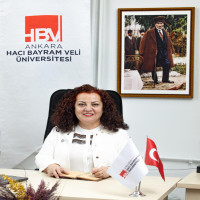
Prof. Dr. Fügen Durlu Özkaya graduated from Ankara University and received her PhD in Food Engineering. For the past 18 years, she has been conducting academic studies in the field of Gastronomy and Culinary Arts and is currently a faculty member at Ankara Hacı Bayram Veli University. Her research interests include food science, gastronomy education, sustainable gastronomy, sensory analysis, product development, traditional Turkish culinary culture, and food safety. She has published numerous articles, book chapters, and conference papers in national and international journals, and has served as a principal investigator and researcher in various scientific projects, contributing to the advancement of the gastronomy discipline.
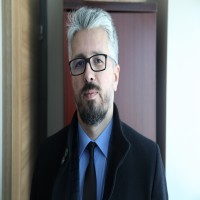
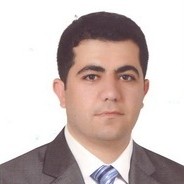
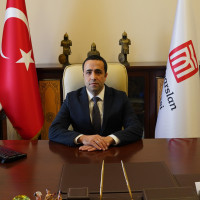
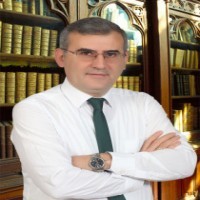
I am a professor of chemistry education. I have been teaching courses mainly on research methods in education and teaching and learning of science and chemistry at the secondary level. My research interests include teacher training, curriculum evaluation, how students learn in science/chemistry, undergraduates’ understandings of chemical ideas in thermodynamics, context-based teaching, problem-based learning, trends in science/chemistry education, and teaching science/chemistry to visually impaired students.
I have served in IUPAC (International Union of Pure and Applied Chemistry - www.iupac.org) Committee on Chemistry Education as a titular member (2008-2015) and chair (2016-2017). Currently, I am representing Turkey as a national representative in the same committee since 2018.
I am also a member of some national and international organizations serving in science or chemistry education as well as taking active roles such as board memberships and administrative duties.
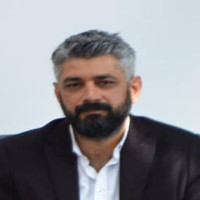
Prof. Dr. Ömer Alanka, 1981 yılında Erzurum’da doğdu. Ankara Üniversitesi İletişim Fakültesinden 2005 yılında mezun oldu. Atatürk Üniversitesi İletişim Fakültesinde 2005 yılında Araştırma Görevlisi olarak göreve başladı. 2008 yılında Atatürk Üniversitesi Sosyal Bilimler Enstitüsü Gazetecilik Anabilim Dalında Yüksek Lisansını tamamladı. 2009 tarihinde Ege Üniversitesi İletişim Fakültesine Araştırma Görevlisi olarak atandı. 2012 yılında Ege Üniversitesi Sosyal Bilimler Enstitüsü Gazetecilik Anabilim Dalında “Görüntünün Ontolojisi ve Kavramsal Fotoğraf” başlıklı tezi ile Dr. unvanını aldı. 2012 yılında Atatürk Üniversitesi İletişim Fakültesinde Arş. Gör. Dr. Unvanı ile çalışmaya devam etti. 2014 yılında Atatürk Üniversitesi İletişim Fakültesinde Yrd. Doç. Dr. Unvanını aldı. 2018 yılında Gazetecilik ve Medya Çalışmaları alanında Doçentlik unvanını aldı. 2022 yılında Hatay Mustafa Kemal Üniversitesi İletişim Fakültesine Doç. Dr. olarak görev aldı. 2023 yılında Hatay Mustafa Kemal Üniversitesi İletişim Fakültesinde Prof. Dr. olarak atandı. 2023 tarihinden bu yana Hatay Mustafa Kemal Üniversitesi İletişim Fakültesi Dekanı olarak görev yapmaktadır. Alanka, akademik görevlerinin yanı sıra Bilişim Anabilim Dalı Başkanlığı, Gazetecilik Bölüm Başkanlığı, Dekan Yardımcılığı ve Dekanlık gibi idari görevleri de yerine getirdi. Alanka, Atatürk Üniversitesi Açık ve Uzaktan Öğretim Fakültesinde Yeni Medya ve Gazetecilik bölümünü kurup koordinatörlüğünü yürüttü. Ayrıca Alanka, Atatürk Üniversitesi Dijital Dönüşüm ve Yazılım Ofisinde Yürütme Kurulu Üyeliğinde de görev almıştır. Alanka, Hatay Mustafa Kemal Üniversitesi’nde Senatörlük ve Rektörlük Yönetim Kurul Üyeliği ve Hatay Mustafa Kemal Üniversitesi Kurma ve Yaşatma Vakfı Üyeliği görevlerini de yerine getirmektedir. Çok sayıda yüksek lisans ve doktora öğrencisi yetiştiren Alanka’nın çalışma alanları arasında sinema çalışmaları, dijital dönüşüm, sayısallaşma, medya çalışmaları, kitle iletişim sistemleri vb. yer almaktadır. Alanka'nın ulusal ve uluslararası düzeyde çok sayıda kitap, makale, sempozyum ve proje çalışmaları bulunmaktadır. Alanka evli ve iki çocuk babasıdır.
(Prof. Dr.) Amasya University
Doç. Dr. Kaliya Kulaliyeva | Kırgızistan-Türkiye Manas Üniversitesi | kaliya.kulaliyeva@manas.edu.kg | ORCID: 0000-0003-2755-7880
Kaliya Kulaliyeva, Kırgızistan’ın Çüy Bölgesinde 1972’de doğmuştur. 1997’de Bişkek Sosyal Bilimler Üniversitesi Kırgız Dili ve Edebiyatı Bölümünden mezun olmuştur. 2004’te Kırgız Devlet Üniversitesinde Kırgız Halk Edebiyatı ve Kırgız Edebiyatı alanında Manas Destanı ile Kutadgu Bilig’de Düşünce ve Edebî Benzerlikler konusunda doktora tezini savunmuştur. 1999’dan buğüne kadar Kırgızistan-Türküye Manas Üniversitesinde çalışmaktadır. Halk Bilimi, Kırgız Edebiyatı, Kırgız Dili Öğretimi alanında bir çok araştırma, ders ve çeviri kitapları yaymlanmıştır.
Önemli çalışmaları: Manas Destanı’nın Tematik Dizini I. 7 Kitap (2019-2022); Baldarga Kırgız Tili serisi. 3 Kitap (2021); Manas eposu menen Cusup Balasagındın Kutadgu Bilig dastanındagı ideyalık-korkomdük paralellder (2013); İş kagazdarın kıgız tilinde cürgüzüü (2013, 2016); Türkıstanda Büyük İsyan 1916. B. Maksutov (2013, 2018) Çeviri M.Gümüşle birlikte.
Önemli projeleri: Kırgız destanlarının tematik dizinleri: Kococaş; Er Töştük; Canış, Bayış; Kurmanbek; Er Tabıldı destanlarının tematik diizini (KTMÜ, KC Milli Bilimler Akademisi ve K.C. Üniversiteleriyle ortak proje üyrütücüsü, 2021-2022 yy.); Manas Destanı’nın Tematik Dizini I. (KTMÜ ile K.C. Milli Bilimler Akademisinin ortak projesi üyrütücüsü, 2018-2019 yy.); Türk Dünyası Değerleri. Lingvokültürel Sözlük Projesi üyesi. (KTMÜ, 2016-2018 yy.).
Özgeçmiş ve Eğitim:
2019: Türk Tarih Kurumu “Bilim Kurulu” üyeliğine seçildi.
2013: H.Ü. Türkiyat Araştırmaları Enstitüsü’ne “Profesör” olarak atandı (14.08.2013).
2012: Türkiyat Araştırmaları Enstitüsü Müdürü oldu (25.01.2012).
2010: TKAE, Türk Kültürünü Araştırma Enstitüsü Yönetim Kurulu Üyeliğine seçildi.
2006: Tarih Bölümü'nde "Doçent" kadrosuna atandı (06.12.2006).
2006: "Osmanlı Kurumları ve Medeniyeti Tarihi" alanında "Doçent" unvanı aldı (08.05.2006).
2004: H.Ü. Türkiyat Araştırmaları Enstitüsü Müdür Yardımcılığı görevine atandı.
1998: İLESAM, Türkiye İlim ve Edebiyat Eseri Sahipleri Meslek Birliği Yönetim Kurulu Üyeliğine seçildi.
1998: Hacettepe Üniversitesi Edebiyat Fakültesi Tarih Bölümü'nde Yardımcı Doçent Kadrosuna atandı. Aynı yıl Tarih Bölümü Başkan Yardımcısı oldu.
1997: Paris I Üniversitesi’nde (Université de Paris I, Panthéon-Sorbonne) "çok iyi" derece ile "Tarihte Doktor" unvanı aldı (27.11.1997).
1995: Burs süresinin sona ermesi üzerine Fransa'dan dönerek Hacettepe Üniversitesi Tarih Bölümü'ndeki görevine başladı.
1993: Dil kurslarını takiben kayıt yaptırdığı Paris I Üniversitesi (Université de Paris I, Panthéon-Sorbonne) Bizans ve Bizans Sonrası Yakın Doğu Tarihi Araştırmaları Bölümü’nde DEA (Diplôme d'Etudes Approfondies) derecesi aldı.
1990: 1988 yılında başladığı Doktora eğitimini yarıda bırakarak Hacettepe Üniversitesi burslusu olarak "Dil ve Doktora" eğitimi amacıyla Fransa'ya gitti.
1988: H. Ü. Sosyal Bilimler Enstitüsü Tarih Anabilim Dalı'ndan "Tarihte Bilim Uzmanı" (MA) derecesi aldı.
1987: H. Ü. Edebiyat Fakültesi Tarih Bölümü'nde “araştırma görevlisi” olarak çalışmaya başladı.
1987: Türk Tarih Kurumu'nda “uzman yardımcısı” olarak çalıştı.
1985: H. Ü. Sosyal Bilimler Enstitüsü Tarih Anabilim Dalında Yüksek Lisans (MA) eğitimine başladı.
1985: Bir yıl İngilizce Hazırlık Sınıfı okuduktan sonra H.Ü. Edebiyat Fakültesi Tarih Bölümü'nden Lisans düzeyinde mezun oldu.
Yabancı Dil: Fransızca, İngilizce.
Akademik Çalışmalar:
I. Tezler :
Yüksek Lisans (Hacettepe Üniversitesi, Tarih Bölümü, Ankara):
Hicri 983 (1575-1576) Tarihli Mufassal Tahrir Defterine Göre Bozok Sancağında İskân ve Nüfus, H. Ü. Sosyal Bilimler Enstitüsü, Tarih Anabilim Dalı, Bilim Uzmanlığı (Master) Tezi, Ankara, 1988.
DEA: Diplôme d’Etudes Approfondies (Université de Paris I, Panthéon-Sorbonne, Fransa):
Les recueils de lois coutumières ottomanes: le manuscrit de Munich TURC 111, Paris I Universitesi (Université de Paris I Panthéon-Sorbonne), Histoire et Archéologie du monde byzantin et post-byzantin, Paris, 1993.
Doktora (Université de Paris I, Panthéon-Sorbonne, Fransa):
La fixation par écrit des lois ottomanes et le rôle des codes de lois. Etude accompagnée de l'édition du manuscrit de Munich Turc 111 (XVe-XVIe siècles). Paris I Üniversitesi (Université de Paris I Panthéon-Sorbonne), Paris, 1997.
II. Yayınlar:
a. Kitap:
1. Koç, Yunus, XV. Yüzyılda Bir Osmanlı Sancağı’nın İskân ve Nüfus Yapısı, Kültür Bakanlığı Yay., Ankara, 1989.
2. Koç, Yunus - Fatih Yeşil, Nizam-ı Cedit Kanunları, Türk Tarih Kurumu Yay., Ankara, 2012.
3. Koç, Yunus, Bozok 1575 -İskân ve Nüfus-, Ankara 2021, Net Kitaplık.
b. Kitap/Kitap Bölümü Editörlüğü:
1. Koç, Yunus, (Yayına Hazırlayan), Hilmi Ziya Ülken, Seçme Eserler I, Ziya Gökalp, İstanbul, 2007, Türkiye İş Bankası, Kültür Yay.
2. Koç, Yunus, (Serdar Sağlam, Cahit Gelekçi ile birlikte Yayına Hazırlayan), I. Türkiyat Araştırmaları Sempozyumu, 25-26 Mayıs 2006: Bildiriler, Ankara, 2006, H.Ü. Türkiyat Araştırmaları Enstitüsü Yay.
3. Koç, Yunus (Ü. Çelik Şavk, Mikail Cengiz ve Fatma Türkyılmaz'la birlikte Yayına Hazırlayan), Yaşayan Eski Türk İnançları Bilgi Şöleni, (17 Nisan 2007 H.Ü. Sıhhiye Yerleşkesi), Bildiriler, Ankara, 2007, H.Ü. Türkiyat Araştırmaları Enstitüsü Yay.
4. Koç, Yunus (Marcel Erdal ve Mikail Cengiz’le birlikte Yayına Hazırlayan), Dilleri ve Kültürleri Yok Olma Tehlikesine Maruz Türk Toplulukları: 4. Uluslararası Türkiyat Araştırmaları Sempozyumu (23-26 Mayıs 2012 Ankara) Bildirileri, Ankara, 2013, H. Ü. Türkiyat Araştırmaları Enstitüsü Yay.
5. Koç, Yunus, Antik Çağdan XXI. Yüzyıla Büyük İstanbul Tarihi, Siyaset ve Yönetim-2: Demografi, (Proje Yön.: M. Akif Aydın; Editör: Coşkun Yılmaz), ”Demografi”, Bölüm Editörlüğü, ( C. 3, İstanbul Büyükşehir Belediyesi Kültür A.Ş. Yay., İstanbul, 2015.
6. Koç, Yunus (Serhat Küçük’le birlikte) Editör, Türk Sosyal Tarihçiliğinde Bir “Yalnız” İsim: Prof.Dr. Bahaeddin YEDİYILDIZ’a Armağan, Ankara 2015, Türk Kültürünü Araştırma Enstitüsü yay. 348 s.
7. Koç, Yunus (Mikail Cengiz’le birlikte), Editör, 100. Yılında Sovyet İhtilali ve Türk Dünyası, Ankara, 2018, HÜ Türkiyat Araştırmaları Enstitüsü Yayınları.
c. Makale, Kitap Bölümü ve Basılmış Bildiriler:
58. Koç, Yunus, “Kıbrıs’ın Fethi Sırasında Anadolu’nun Sosyal Durumuna Dair”, Tarih Ve Tarihçiliğe Dair: Serhat Küçük İçin Yazılar, Editörler: Mehmet Öz, Fatih Yeşil, Ömer Gezer, Atatürk Araştırma Merkezi Yayınları, Ankara 2024, s. 145-161.
57. Koç, Yunus, Erken Dönem Osmanlı Yönetiminin Kanunlaşma ve Devletleşme Süreci”, Kamu: Hukuk ve Yönetim, C.1. S. 1 (Temmuz, 2024), s. 31-49.
56. Koç, Yunus, “Disiplinlerarası Tarihçiliğe Kurumsal Bir Örnek: Hacettepe Tarih Bölümü”, Tarihçilikte Disiplinlerarasılık: Fırsat mı Sınırlılık mı? Editör Ahmet Şimşek, İstanbul 2021, Yeni İnsan Yay., s. 105-123.
55.. Koç, Yunus, “Fatih’in Kanunları ve Kanun-ı Osmanî’nin Tekâmülündeki Rolü”, Osmanlı İdaresine Balkanlar, Editörler: Alaattin Aköz, Slobodan İliç, Doğan Yörük, Danko Leovac, Konya, 2020, Selçuk Üniversitesi Yayınları, Cilt I, s. 407-420.
54. Koç, Yunus, “Anadolu İskân Tarihi Bağlamında Osmanlı-Kayı İlişkisi”, Boydan Devlete Söğüt’ten İstanbul’a Sempozyum Bildirileri, 14-15 Kasım 2019 Bilecik, İstanbul, 2020, Boğaziçi Yayınları, S.144-153.
53. Koç, Yunus, “Osmanlı Şehrine Bütüncül Bir Yaklaşım ya da Özer Ergenç’te Tarih Metodolojisi”, Journal of Turkish Studies/Türklük Bilgisi Araştırmaları, Vol. 51 (Aralık 2019),Editörler, Cemal Kafadar, Gönül Alpay Tekin, Nil Tekgül, s. 1-32, Harward University, Departement of Near East Languages and Civilisations Perss.
52. Koç, Yunus, “Defteroloji Çalışmaları Üzerine Bir değerlendirme”, Türkiye’de Akademik Tarihçilik, (Editörler: Ahmet Şimşek, Alaattin Aköz), İstanbul 2017, Kronik Yay., s. 146-159.
51. Koç, Yunus, “İtaat Kültür ve Milli hakimiyet”, Türk Yurdu, C.36, Sayı, 349, Eylül, 2016, ss. 33-36.
50. Koç, Yunus, “İskan, Osmanlılar”, TDV İslam Ansiklopedisi, EK 1, (İstanbul, 2016), s. 659-662.
49. Koç, Yunus, “İskan, Genel”, TDV İslam Ansiklopedisi, EK 1, (İstanbul, 2016), s. 650-651.
48. Koç, Yunus, “Demografi: Giriş”, Antik Çağdan XXI. Yüzyıla Büyük İstanbul Tarihi, Siyaset ve Yönetim-2: Demografi, (Proje Yön: M. Akif Aydın; Editör: Coşkun Yılmaz), C. 3, İstanbul Büyükşehir Belediyesi Kültür A.Ş. Yay., İstanbul, 2015, s. 453-456.
47. Koç, Yunus, “Bizans Döneminde İstanbul Nüfusu”, Antik Çağdan XXI. Yüzyıla Büyük İstanbul Tarihi, Siyaset ve Yönetim-2: Demografi, (Proje Yön: M. Akif Aydın; Editör: Coşkun Yılmaz), C. 3, İstanbul Büyükşehir Belediyesi Kültür A.Ş. Yay., İstanbul, 2015, s. 458-466.
46. Koç, Yunus, “Türk Tarihçiliğinde Annales’ci bir Yaklaşım ya da Bahaeddin Yediyıldız’ın Tarih Metodolojisi”, Prof.Dr. Bahaeddin Yediyıldız’a Armağan, (Editörler: Yunus KOÇ, Serhat KÜÇÜK), Türk Kültürünü Araştırma Enstitüsü Yay., Ankara, 2015, s. 27-35.
45. Koç, Yunus, “Tarih Niçin Yazılır?”, Tarih İçin Metodoloji, (Editör: Ahmet Şimşek), Pegem-Akademi Yay., Ankara, 2015, s. 2-7.
44. Koç, Yunus, “Türkiyat Enstitülerinin Dünü, Bugünü ve Geleceği”, XI. Milli Türkoloji Kongresi, 11-13 Kasım 2014, Bildirileri, C. 2, İstanbul Büyükşehir Belediyesi Kültür Dairesi Başkanlığı, İstanbul, 2015, s. 857-863.
43. Koç, Yunus, “Eski Türklerde Töre ve Hukuk”, Türk Kültürü El Kitabı, (Ed. İhsan Çapcıoğlu- Hayati, Beşirli), Grafiker Yay., Ankara, 2015, ss. 327-340.
42. Koç, Yunus, "Yozgat", TDV İslam Ansiklopedisi, C. 43, (İstanbul, 2013), s. 559-564.
41. Koç, Yunus, "Osmanlı’da Kanun, Şeriat, Devlet ve Ebussuud", Prof.Dr. Özer Ergenç’e Armağan, (Ed. Ümit Ekin), İstanbul, 2013, Bilge Kültür Sanat Yay., s. 232-243.
40. Koç, Yunus, "Klasik Dönem Osmanlı Kanunnamelerinde Halk Algısı ve Tasnifi", Milli Folklor, (AHCI), Sayı: 98, (Yaz-2013), s. 32-45.
39. Koç, Yunus, "Ömer Lütfi Barkan’ın Tarihsel Demografi Çalışmalarına Katkısı ve Klasik Dönem Osmanlı Nüfus Tarihinin Sorunları", Bilig: Türk Dünyası Sosyal Bilimler Dergisi, (SSCI), Sayı: 65, (Bahar-2013), s. 177-202.
38. Koç, Yunus, "XVI. Yüzyıl Ortalarında Osmanlı İmparatorluğu’nda Suhte Olayları", H.Ü. Türkiyat Araştırmaları, (MLA; TÜBİTAK-ULAKBİM: SBVT), Sayı: 18, (Bahar-2013), s. 147-159.
37. Koç, Yunus, "Türk, Türkler ve Türk Milleti", Türk Yurdu, Sayı: 308 (Nisan-2013), s. 29-31.
36. Koç, Yunus, "Prof. Dr. Mekki Şerif Baştav: Hayatı, Türk Tarihçiliğine Katkıları ve Eserleri", Türk Kültürünü Araştırma Enstitüsü'nün 50. Yılına Armağan: 50. Yıl Sempozyumu Bildirileri, (Haz. Bülent GÜL), Ankara, 2012, Türk Kültürünü Araştırma Enstitüsü Yayınları, s. 203-210.
35. Koç, Yunus, "16. Yüzyılda Tarımda Yatırım Maliyeti Sorunu ya da “Resm-i Tapu” ve Öküz Fiyatlarına Dair Bazı Gözlemler", H.Ü. Türkiyat Araştırmaları, (MLA; TÜBİTAK-ULAKBİM: SBVT), Sayı: 17, (Güz-2012), s. 139-148.
34. Koç, Yunus, "Osmanlı Devleti'nin Kuruluş Problemi ve Tahrir Defterleri", Osmanlı Devleti'nin Kuruluş Meseleleri Sempozyumu [Bildiriler], 12 Ekim 2009/Bilecik, Bilecik Üniversitesi Yayınları, Bilecik, 2011, s. 98-121.
33. Koç, Yunus, "Türk Tarih Kurumu ve Türk Tarihçiliğindeki Yeri”, Cumhuriyet Döneminde Türkiye’de Tarihçilik ve Tarih Yayıncılığı Sempozyumu, (Ankara, 18-20 Mart 2010). Bildiriler, (Editör: Mehmet ÖZ), Ankara, 2011, TTK Yay., s. 655-666.
32. Koç, Yunus, "İ. Ercüment Kuran (1920-2009)", Türk Yurdu, C. 31, Sayı: 281, (Ocak-2011), s. 223-225.
31. Koç, Yunus, "Sadri Maksudi Arsal (1880-1957)", Türk Yurdu, C. 31, Sayı: 281, (Ocak-2011), s. 121-125.
30. Koç, Yunus, "Yusuf Akçura (1876-1935)", Türk Yurdu, C. 31, Sayı: 281, (Ocak-2011), s. 67-71.
29. Koç, Yunus, "Osmanlı Dönemi İstanbul Nüfus Tarihi", TALİD Türkiye Araştırmaları Literatür Dergisi, C. 8, Sayı: 16 (Güz-2010), (MLA; TÜBİTAK-ULAKBİM: SBVT), s. 171-199.
28. Koç, Yunus, "12 Eylül 1980'den 12 Eylül 2010'a: Devlet-Millet Ekseninde Bir Değerlendirme", Türk Yurdu, C. 30, Sayı: 277, (Eylül-2010), s. 135-137.
27. Koç, Yunus, "İ. Ercüment Kuran ve Seçilmiş Bibliyografyası", Türk Yurdu, C. 29, Sayı: 268, (Aralık-2009), s. 53-58.
26. Koç, Yunus, "Ömer L. Barkan ve Osmanlı İskan Tarihine İlişkin Çalışmaları", Notlar: Osmanlı'da Nüfus ve İskan Politikaları, Sayı: 15, (BİSAV), Bilim ve Sanat Vakfı Yay. (İstanbul, Mart-2009), s. 31-54.
25. Koç, Yunus, "Osmanlı'dan Cumhuriyet'e Diyarbakır, (Ed.) Bahaeddin Yediyıldız, Kertsin Tomenendal, (Diyarbakır Valiliği ve Türk Kültürünü Araştırma Enstitüsü Ortak Yayını, 3 Cilt, Ankara 2008, Pozitif Matbaacılık)", Türk Kültürü, Türk Kültürü Araştırmaları Dergisi, 2008/1, Ankara, 2008, s. 170-177, Kitap tanıtımı.
24. Koç, Yunus, "Bizans Tarımının Elkitabı ya da İlk Tarım Ansiklopedisi", Kebikeç, Sayı: 24. (2007), s. 49-59.
23. Koç, Yunus, "Nüfus -Osmanlı Dönemi-", TDV İslam Ansiklopedisi, C. 33, s. 294-299, İstanbul, 2007.
22. Koç, Yunus, (Murat Tuğluca ile birlikte), "Klasik Dönem Osmanlı Ceza Hukukunda Yargılama ve Toplumsal Yapı", Türk Hukuk Tarihi Araştırmaları, Sayı: 2, (Güz-2006), s. 7-24.
21. Koç, Yunus, "Selçuklu ve Beylikler Dönemi Türkiyesi’nde Mülk ve Vakıf Topraklar", Anadolu Selçukluları ve Beylikler Dönemi Uygarlığı, C. I, (Editör: Ahmet Yaşar OCAK), Ankara, 2006, T.C. Kültür ve Turizm Bakanlığı Yay. s. 253-359.
20. Koç, Yunus, "Selçuklular Döneminde Anadolu'da Köyler ve Köylüler", Anadolu Selçukluları ve Beylikler Dönemi Uygarlığı, C. I, (Editör: Ahmet Yaşar OCAK), Ankara, 2006, T.C. Kültür ve Turizm Bakanlığı Yay. s. 293-298.
19. Koç, Yunus, "Anadolu Selçukluları Döneminde Türkiye'de Yerleşme ve Nüfus", Anadolu Selçukluları ve Beylikler Dönemi Uygarlığı, C. I, (Editör: Ahmet Yaşar OCAK), Ankara, 2006, T.C. Kültür ve Turizm Bakanlığı Yay. s. 241-248.
18. Koç, Yunus, "Osmanlı'da Kent İskanı ve Demografisi (XV-XVIII. Yüzyıllar)", TALİD Türkiye Araştırmaları Literatür Dergisi, C. 3, Sayı 6, (Güz 2005), s. 161-210.
17. Koç, Yunus, (A. Köç'le birlikte), "Orta Karadeniz Bölgesinde Avam ve Havass", Orta Karadeniz Kültürü, (Haz. Bahaeddin Yediyıldız, Hakan Kaynar, Serhat Küçük), Ankara, 2005, Siyasal Kitabevi, s. 313-330.
16. Koç, Yunus, "Early Ottoman Customary Law: The Genesis and Development of Ottoman Codification", Shattering Tradition: Costume, Law and the Individual in the Muslim Mediterranean, (Ed. Walter Dostal, Wolfgang Kraus), Palgra & Macmillan, London, 2005, Tauris, s. 75-121.
15. Koç, Yunus, "Osmanlı Örfi Hukukunda Standartlaşma (XVI. Yüzyıl)", Hacettepe Üniversitesi Türkiyat Araştırmaları, Sayı: 2, (Bahar-2005), s. 131-148.
14. Koç, Yunus, "Osmanlıda Toplumsal Dinamizmden Celali İsyanlarına Giden Yol ya da İki Belgeye Tek Yorum", Bilig, Türk Dünyası Sosyal Bilimler Dergisi, Sayı: 35, (Güz-2005), s. 231-245.
13. Koç, Yunus, "XVI. Yüzyılın ilk yarısında Kiğı Sancağında iskan ve toplumsal yapı", Türkiyat Araştırmaları Dergisi, Selçuk Üniversitesi Türkiyat Araştırmaları Enstitüsü, Konya, Sayı: 16, (Güz 2004), s.129-156.
12. Koç, Yunus, (B. Geyer, J. Lefort ve Ch. Chataigner ile birlikte), "Les villages et l'occupation du sol au début de l'époque moderne", La Bithynie au Moyen Age, (Edité par Bernard Geyer et Jacques Lefort), Editions P. Lethielleux, Paris, 2003, s. 411-430.
11. Koç, Yunus, Osmanlı: "Ümit Hassan: Örgüt-İnanç-Davranış'tan Hukuk-İdeoloji'ye", Türklük Araştırmaları Dergisi, (Marmara Üniversitesi Fen-Edebiyat Fakültesi) Sayı: 11 (2002), 275-282 (Kitap tanıtımı).
10. Koç, Yunus, "XVI. yüzyılın ikinci yarısında köylerin parçalanması sorunu: Bursa ölçeğinde bir araştırma", Uluslararası XIII. Türk Tarih Kongresi, 4-8 Ekim 1999, Kongreye Sunulan Bildiriler, Cilt III, Kısım III, Türk Tarih Kurumu Yay., Ankara, 2002, s. 1961-1970.
9. Koç, Yunus, "Zirai Tarih Araştırmalarında Ölçü-Tartı Birimleri Sorunu: Bursa Müdü Örneği", Uluslararası Kuruluşunun 700. Yıldönümünde Bütün Yönleriyle Osmanlı Devleti Kongresi, 7-9 Nisan 1999, Bildiriler, Konya, 2000, Selçuk Üniversitesi Yay., s. 541-547.
8. Koç, Yunus, "Bozok Türkmenleri", Rumeli'de ve Anadolu'da Yörükler ve Türkmenler Sempozyumu (13-14 Mayıs 2000, Tarsus) Bildirileri, Ankara, 2000, Yör-Türk Yayınları, s. 195-209.
7. Koç, Yunus, "Dulkadirli'den Osmanlı'ya Bozok", Osmanlı İmparatorluğu ve Bozok Sancağı, Yozgat, 2000, s. 483-497.
6. Koç, Yunus, "Osmanlı Beyliğinin Teşekkülü", Beylikten Cihan Devletine, Milliyetçilik ve Milliyetçilik Tarihi Araştırmaları VII Milli Kongresi Bildirileri, Eskişehir 3-4 Aralık 1999, (Hazırlayanlar: Prof. Dr. Bahaeddin Yediyıldız-Yücel Hacaloğlu), Ankara, 2000, Türk Yurdu Yay. No 65, s. 36-43.
5. Koç, Yunus, "The Population of the Ottoman Empire, 1300-1900", The Great Ottoman Civilasition, T. III, ed. Güler Eren, Yeni Türkiye Yayınları, Ankara 2000.
4. Koç, Yunus, "Erken Dönem Osmanlı Hukuku: Yaklaşımlar, Temel Sorunlar", H. Ü. Edebiyat Fakültesi Dergisi, Osmanlı Devleti'nin Kuruluşunun 700. Yılı Özel Sayısı, (Ekim-1999), s. 115-126.
3. Koç, Yunus, "Osmanlı İmparatorluğu'nun Nüfus Yapısı: 1300-1900" Osmanlı -IV- Toplum, (Ed. Güler Eren), Ankara 1999, Yeni Türkiye Yayınları, s. 535-550.
2. Koç, Yunus, "Avrupa'daki Türk İslâmı'ndan Bir Kesit: Fransa Örneği", Türk Yurdu, C. 17, Sayı: 117-119, (Nisan-Mayıs 1997), s. 165-172.
1. Koç, Yunus, "XVI. Yüzyıldan Bugüne Bozok'ta Köy Adları", Sürmeli, Sayı 2, (Mart 1997), s. 35-38.
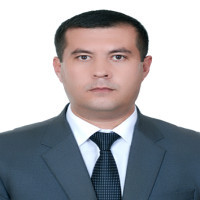
CV
Ernazarov Dilmurod Zuhriddinovich
Address Tashkent region, Parkent Area
St. Nafis, House - №33
Date of birth February 15/02/1979
Marital Status Married / Father of three children
Contact Tel.: Mobil: + 99890 1866106; Haus tel.: +998559011866
E-mail: dilm79@inbox.ru. dilmurodernazarov55@gmail.com
Education
1998-2002 Bachelor at the National University Uzbekistan named after M.Ulugbek, Department of Philosophy;
2002-2004
Master of the National University of Uzbekistan named after M.Ulugbek, Faculty of Philosophy (Honours);
1998 - 2000 Three times winner of the Republican competition on the German language
Professional Experience
2005-2006 Lecturer in social sciences and humanities of the University of World Economy and Diplomacy under the Ministry of Foreign Affairs of the Republic of Uzbekistan
2006-2011 Senior researcher at the independent institute for monitoring the formation of Civil Society
2011 -2012 Internship in the socio-political and legal journal “Civil society” (circulation - 120)
2012 - 2013 Chief specialist of the Independent Institute for monitor the formation of civil society. The monitoring fresh water problems in Uzbekistan.
2013-2016 Chief specialist at the department “Fundamentals of Civil Society” at the Academy of State Governance at the President of the Republic of Uzbekistan.
2016-2020 Tashkent State University of Economics. Docent of the Department of Social Sciences
Research / Field work experience
2007, February Participant of 20th Winter Methodological Institute of International Relations ("School Bogatourov") (Russia, Voronezh, January 26 - February 4, 2007).
2012, January Participant of international conference “Civil society in Germany: past and present” which was held in Germany.
2019 October Participation in a two-week grant program for continuing education at research institutes in Germany.
2022 September 24-25 “Adaptation and Transformation in Central Asia” Conference/ Hall, 3rd floor, OSCE Academy in Bishkek.
2023 January 5-6, International conference in Turkey. Istanbul. MOCCA – Project Number: 101085855. Thema of conference: Multilevel Orders of Corruption in Central Asia. Project Kick-off Meeting.
July 8th to 10th, 2024 Participant of International Center for Research & Development, 11th International Conference on Gender and Women's Studies 2024 (GWS2024) in Mumbai, India
April 23-24, 2025 Participant of International Conference “Strengthening University Collaboration Between Europe and Central Asia: Expanding Opportunities through Joint Programs, Research and Mobility. Bishkek, Kyrgyzstan
November 25–26 2025 ANNUAL SECURITY CONFERENCE 2025 Coming of Age: Central Asia and the OSCE in a Shifting Security Landscape Date: 25–26 November 2025 Venue: OSCE Academy in Bishkek,
Languages Russian, German, English.
Scientific degree Political Science (PhD)
Research Interests The Development of Democracy, Civil Society, Education, Philosophy, Political system, Religion, INGOs, national identity, national identity, Modernization, International relationship
Memberships / Affiliations Russian Philosophical Society.
Publications Monographs.
1. «Civil activity as a factor of the development of the civil society in Germany» (Original name - Гражданская активность как фактор развития гражданского общества в Германии) LAP Lambert Academic Publishing ( 2017-03-17 ) https://www.lap-publishing.com.
2. Kuchkarov V., Ernazarov D. Democratization and national self-consciousness. Monograph. LAP LAMBERT Academic Publishing (2017-06-02). https://www.lap-publishing.com.
3. Participation of INGOs in modernization of social life in Uzbekistan. Publisher: LAP LAMBERT Academic Publishing (25 Mar. 2022). Language: English/ISBN-10: 6139458498. ISBN-13: 978-6139458493.
4. https://www.morawa.at/detail/ISBN-9786139458493/Ernazarov-Dilmurod/Participation-of-INGOs-in-modernization-of-social-life-in-Uzbekistan?bpmctrl=bpmrownr.7%7Cforeign.357331-1-0-0
Computer skills Internet, Microsoft Office, PowerPoint, Excel, e-mail.
For more information 1) Dilmurod Ernazarov https://www.scopus.com/authid/detail.uri?authorId=57218910849
2) Dilmurod Ernazarov ORC ID: 0000-0002-9669-6166 // https://scholar.google.com/citations?user=vH9MTn8AAAAJ&hl=ru
3) Dilmurod Ernazarov https://publons.com/researcher/2022316/dilmurod-z-ernazarov/
4) Dilmurod Ernazarov - https://independent.academia.edu/DilmurodErnazarov
5) Dilmurod Ernazarov https://www.researchgate.net/profile/Dilmurod_Ernazarov/stats
Volunteering Working for a local NGO for 10 years. Member of the Society of Beekeepers and Gardeners. Volunteer in the field of ecology.
